Understanding the unique architectural challenges and building requirements of Connecticut's premier residential region
Published on February 16, 2026
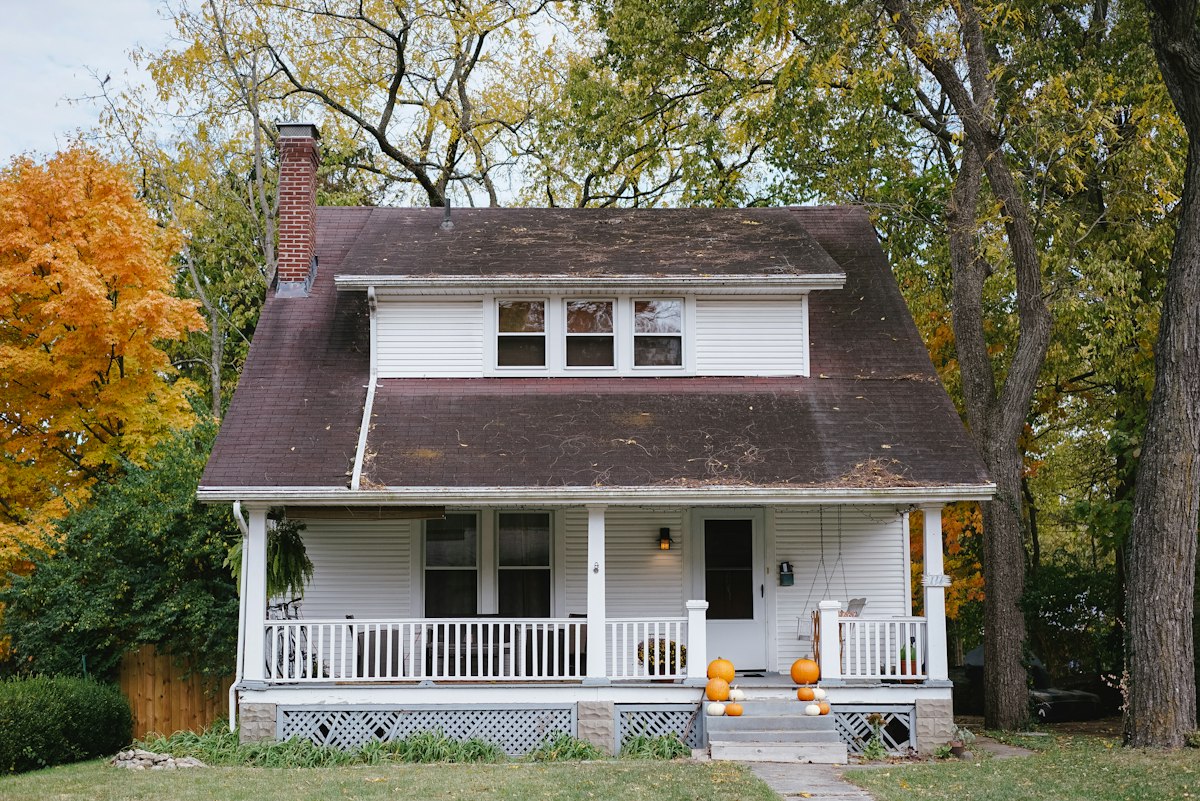
Litchfield County, Connecticut, is home to some of the most beautiful and architecturally significant residential properties in New England. From the rolling hills of Litchfield and Torrington to the charming villages of New Milford, Kent, Salisbury, Norfolk, and Cornwall, this region boasts centuries-old homes that require a specialized understanding of historic preservation and local building requirements. Working with a Litchfield County home contractor who understands these unique challenges is not just a preference; it is essential to maintaining your property's value and integrity.
Ready to work with a contractor who understands Litchfield County homes?
Book Your Free Consultation TodayLitchfield County's residential architecture tells the story of New England's evolution from colonial times through the present day. The homes throughout towns like Litchfield, Torrington, New Milford, and Kent represent distinct architectural periods and styles that have shaped the character of the region.
Many of Litchfield County's oldest homes date to the colonial era, featuring the straightforward efficiency and craftsmanship of the 1700s. These residences typically include hand-hewn timber frames, massive stone foundations, and original plank flooring. Federal-style homes, which emerged in the late 1700s and early 1800s, introduced more refined proportions, decorative moldings, and symmetrical facades that remain highly valued today.
The 19th century brought Greek Revival and Victorian architectural styles to Litchfield County communities. These homes feature bold proportions, detailed cornices, wraparound porches, and ornamental trim work that demands specialized knowledge to maintain and restore properly. Towns like Salisbury and Norfolk contain numerous examples of these styles that are cherished by current residents.
While the architectural heritage of Litchfield County is undeniably valuable, these historic properties present unique challenges that demand expertise and careful planning. A generalist contractor may not fully appreciate the complexities involved in working with period homes.
Many homes in Litchfield County rest on stone foundations laid with lime mortar rather than modern Portland cement. This distinction is critical. Lime mortar is softer and more flexible than Portland cement, allowing historic walls to shift slightly with the seasons without cracking. A specialized contractor understands that using modern cement mortar on historic foundations is a common and damaging mistake that can trap moisture and accelerate deterioration. Proper restoration requires sourcing period-appropriate lime mortar and applying techniques that respect the original construction methods.
The timber framing in colonial and early Federal homes throughout New Milford, Kent, and Cornwall often comes from old growth trees that are no longer commercially available. These original beams, joists, and rafters possess strength and stability properties that modern lumber cannot replicate. When repairs or replacements are necessary, a specialized contractor knows how to source appropriate reclaimed timber and integrate it seamlessly with existing structures, maintaining both structural integrity and historical authenticity.
Many historic Litchfield County homes feature original plaster walls and ceilings applied over wood lath. These systems are completely different from modern drywall construction. They require specialized techniques for patching, repair, and restoration. Improper removal or modification can damage irreplaceable elements and compromise the home's structural character.
A contractor with experience in modern suburban developments or standard residential construction may possess general competence, but this does not translate to expertise with historic properties. Here is where the gap typically emerges:
Litchfield County includes numerous properties in designated historic districts, particularly in Litchfield and Salisbury. These areas have additional regulatory layers beyond standard building codes. A specialized contractor understands these local requirements and knows how to work effectively with historic district commissions and town building officials.
Historic District Commissions: Properties in designated districts typically require HDC approval before exterior modifications or major renovations. These commissions carefully evaluate proposed changes to ensure they align with the district's architectural character. A contractor experienced with Litchfield County's specific HDC requirements can streamline this approval process and suggest modifications that satisfy both your vision and the commission's guidelines.
Building Code Compliance: Modern building codes address concerns that did not exist when colonial and Federal-era homes were built. Integrating updated mechanical systems, electrical wiring, plumbing, and safety features while preserving historic character requires nuanced understanding. A specialized contractor knows how to meet contemporary code requirements without compromising the home's integrity.
Sourcing and specifying the correct materials for historic home restoration is an art and a science. A generalist contractor may substitute modern alternatives that are cheaper, faster to install, or more convenient. However, these substitutions frequently create long-term problems.
Brick, Stone, and Mortar: Historic brickwork, stonework, and mortar in Litchfield County homes have specific characteristics that must be matched during restoration. A specialized contractor maintains relationships with suppliers who provide period-appropriate materials and understands the importance of matching original specifications.
Hardware and Fixtures: Period-specific hardware, window hardware, locks, and decorative fixtures are available from specialized suppliers. Using inappropriate modern alternatives visibly diminishes the home's character and authenticity.
Flooring and Trim: Original flooring materials, wood species, plank widths, and finishing techniques differ from modern standards. Specialized contractors know where to source reclaimed materials or high-quality reproductions that maintain visual and functional continuity with original elements.
While specialized contractors may charge higher hourly rates than generalist contractors, the holistic approach to historic home restoration ultimately saves money. Here is why:
Preventing Costly Mistakes: A contractor unfamiliar with historic construction may create problems that manifest years later, requiring expensive remedial work. Proper restoration done the first time prevents these downstream expenses.
Extending Component Life: Using period-appropriate materials and techniques that harmonize with original construction extends the lifespan of both original and new elements. This reduces the frequency of major repairs and replacements.
Protecting Property Value: Historic homes in Litchfield County represent significant investments. Improper restoration or inappropriate modifications can substantially reduce resale value. Conversely, authentic restoration enhances value and appeals to discerning buyers who appreciate the home's heritage.
Efficient Project Planning: A specialized contractor understands typical challenges and can accurately estimate timelines and budgets. Surprises are minimized, and projects proceed more smoothly than when a generalist contractor encounters unexpected complexities.
When evaluating contractors for work on your Litchfield County home, ask the right questions. Request examples of previous work on period homes in the region. Ask about their experience with specific architectural styles and their familiarity with local building codes and historic district requirements. Look for evidence of ongoing education and professional involvement in historic preservation networks.
The contractor you select will shape the future of your home. Choosing someone with specialized knowledge and genuine commitment to preservation is an investment in your property's longevity, value, and character.
If your Litchfield County home requires specialized attention, I would be honored to discuss your project. With decades of experience restoring homes throughout Connecticut, particularly in regions like Litchfield, Torrington, New Milford, Kent, Salisbury, Norfolk, and Cornwall, I understand the unique requirements of this distinctive region. Let's talk about how a thoughtful, expert approach can enhance your home while preserving its architectural heritage.
Ready to restore your historic Litchfield County home the right way?
Schedule Your Free ConsultationWorking on a historic home in Litchfield County?
Get a free consultation with Terance Graves Sr. — Connecticut's holistic property consultant since 2006.
Book a Free Consultation →